Repowering Aging Wind Assets: Strategy and Execution
As first-generation wind farms approach end of life, repowering decisions present complex technical, financial, and regulatory considerations.
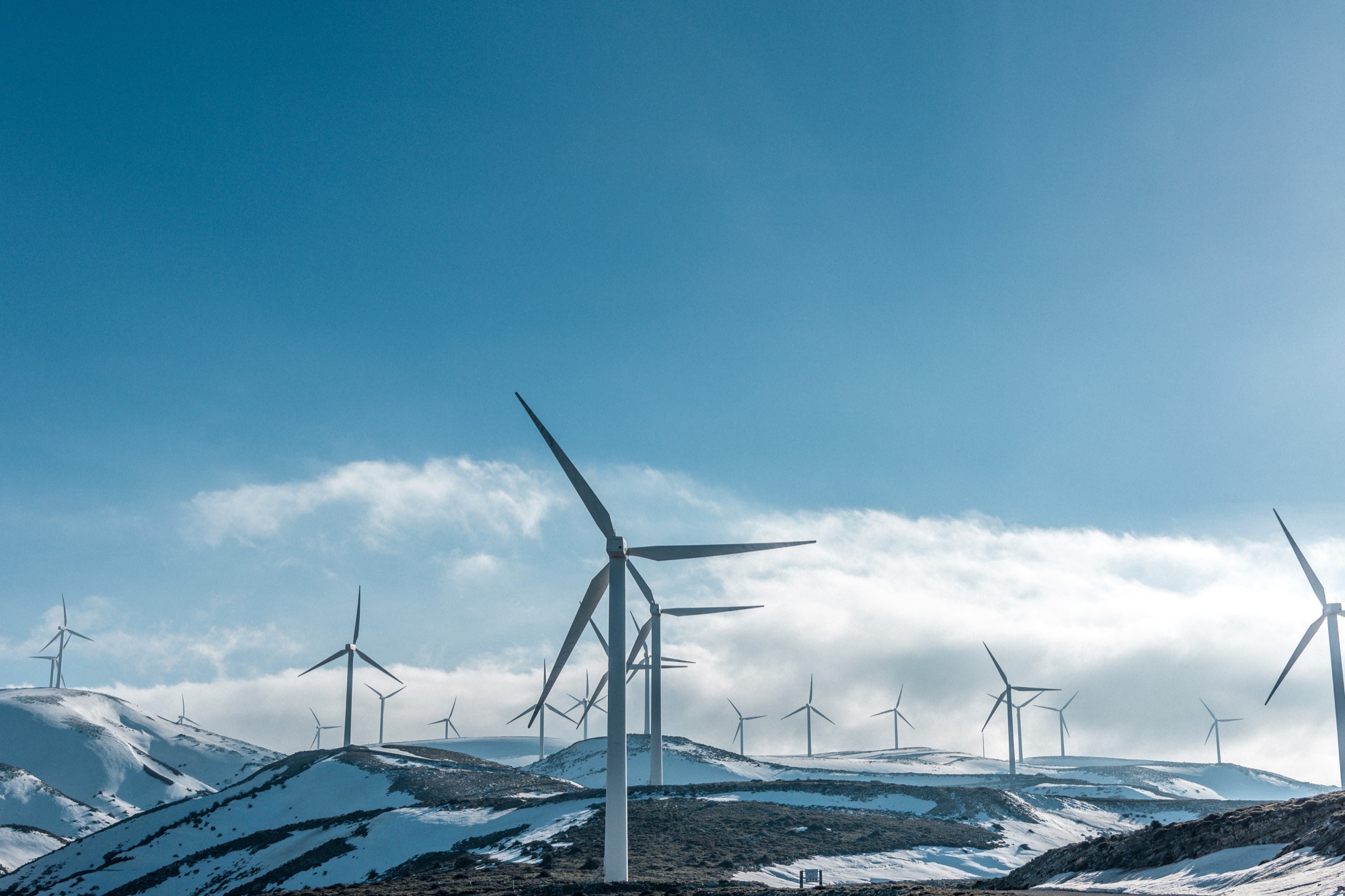
The first wave of utility-scale wind farms built in the early 2010s is now entering the final third of its operational life. With original turbine designs rated at 1.5–2.5 MW giving way to current platforms exceeding 6 MW onshore, the repowering case is increasingly compelling.
However, repowering is not simply a matter of replacing old turbines with new ones. The entire infrastructure stack — foundations, access roads, collection systems, substations, and grid interconnection — must be evaluated against current codes, standards, and the physical demands of larger machines.
The financial analysis requires careful treatment of the existing revenue stack. Many first-generation projects benefit from legacy power purchase agreements or production tax credits that may not be replicated. The repowering investment case must demonstrate that higher energy capture from modern turbines offsets the loss of legacy incentives.
Permitting presents its own challenges. While repowering typically enjoys community familiarity with wind development, new turbine heights — often 50–80 meters taller than originals — can trigger fresh environmental reviews, particularly for avian and bat impact assessments.
Our recommendation for asset owners is to begin the repowering evaluation at least 5 years before the end of the initial PPA term. This window allows sufficient time for resource assessment with modern measurement techniques, permitting processes, equipment procurement, and financing negotiations.
Continue Reading